Top Finds On Amazon


TL;DR: Not getting matches on dating apps is almost always a photo problem before it is anything else. Your lead photo is the only thing most people see before they decide, so a dark, cropped or group shot stops your bio from ever being read. Fix the lead photo first, then your filters, then the words. In that order.
There is no feedback loop on a dating app. You do not find out why someone swiped past, so you end up guessing, changing everything at once, and learning nothing. That is what makes this particular problem so irritating.
The good news is that the causes are boring and predictable. Seven of them cover almost every case, and most can be fixed in an afternoon.
1. Your Lead Photo Is Doing All the Work
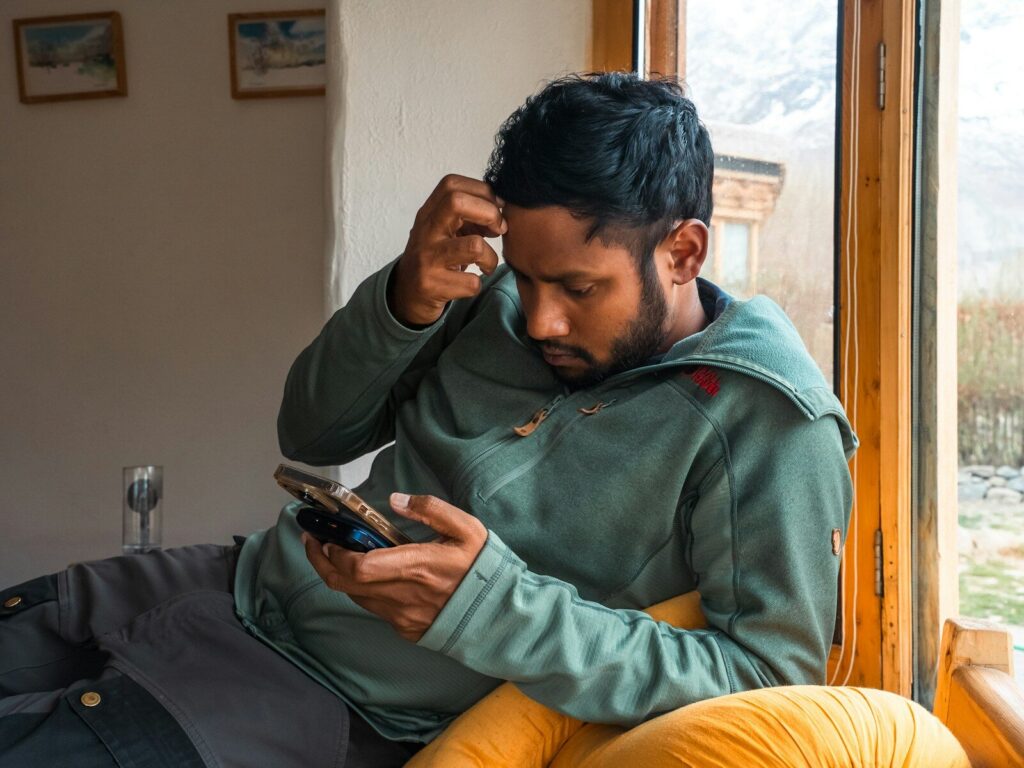
On every major app, one photo is shown before anyone decides anything. Your bio, your prompts and your job title are all behind that image. If it does not work, none of the rest gets read.
A lead photo needs to do three things. Show your face clearly. Be taken in decent light. Have you actually looking like you are enjoying yourself. That is it.
What fails, consistently:
- Group shots, because nobody works out which one is you
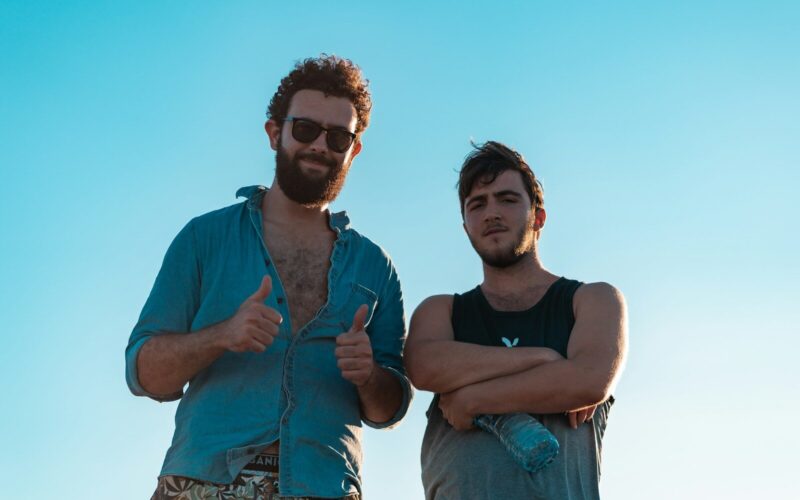
- Sunglasses, hats or anything else covering half the face
- Photos taken from too far away
- Dim indoor lighting, especially a phone camera in a pub
- Anything more than about three years old
If you change one thing off this whole list, change this. More detail on the full set is in what photos work best on dating apps.
2. The Rest of Your Photos Look Like the Same Photo
Once the lead photo has stopped someone scrolling, the remaining images decide whether they swipe. Five versions of the same angle in the same room gives them nothing new to look at.
A set that works usually covers four bases. One clear face shot. One social photo with other people. One doing something you genuinely do. One where you have made an effort with how you look. Six photos is the usual maximum, and using most of them beats using two.
Quality matters more than people expect, and it is not about equipment. Bathroom mirror selfies, heavy filters and grainy low-light shots all read as low effort, which is the impression you are trying to avoid.
3. Your Bio Says Nothing
A large share of profiles say some version of the same thing. Loves food, loves travelling, looking for someone genuine. It is not offensive, it is just invisible.
Be specific instead of broad
“I spent last summer hiking in the Cairngorms and I am already planning the next one” beats “love the outdoors” because it can be pictured and it can be replied to. Specific details stick. Broad ones get scrolled past without registering.
Keep it short
Two or three sentences is plenty. A bio is not a CV, and a long one usually means you have answered every question someone might have opened a conversation with.
Do not list what you want from other people
“Looking for someone genuine who knows what they want” is a filter written as an introduction. It reads as a list of complaints about previous matches, and it puts off exactly the people it is aimed at. If the bio itself is the sticking point, how to write a dating bio that sounds like you goes deeper.

4. Your Prompts Give People Nothing to Reply To
On Hinge in particular, prompt answers carry close to the weight of photos. Most people waste them on answers that sound fine and go nowhere. “Looking for my partner in crime” is not bad writing. It is just a dead end.
The test is simple. Does your answer contain something a stranger could ask about? “I have been making sourdough for two years and it is still terrible, happy to share the evidence” works because the obvious reply is already sitting there.
Worked examples are in the best Hinge prompts for women and the best Hinge prompts for men.
5. You Are Swiping Too Broadly
This one runs against instinct. Liking everything makes things worse, not better.
Hinge has been open about the fact that its recommendation engine is built on a version of the Gale-Shapley stable matching algorithm, the work that won Lloyd Shapley a Nobel prize in economics in 2012. The relevant part is that these systems work from preference patterns, not volume. An account that likes everything provides no preference data, so the app has nothing to work with and shows the profile less.
Being selective does two things. It gives the app something to learn from, and it means the likes you do send land on people who have some chance of liking you back.
6. Your Filters Are Quietly Shrinking Your Pool
Worth checking before you rewrite anything. Distance set to five miles in a small town, an age range of four years, and a height filter on top of that can cut a pool down to a few dozen active accounts.
Location is not a fixable flaw, but it is a real one. A strong profile in a town of thirty thousand still gets shown to fewer people than a mediocre one in Manchester. If you have been at zero matches for weeks, widen the distance before you conclude the problem is you. Height filters in particular are worth a look, and there is a fuller argument in should you put your height in your dating profile.
7. The App Has Stopped Showing You
Most apps favour accounts that open regularly and reply to messages. An account that sits untouched for a fortnight gets shown to fewer people, regardless of how good the profile is.
Free accounts also get less distribution than paying ones on most platforms. That is worth knowing before you spend money on it, because visibility and matches are not the same thing. Paying puts a weak profile in front of more people and the usual result is more views and the same number of matches. Fix the profile first, then decide, and is it worth paying for a dating app covers the maths.
Resetting the account is the other thing people try. New profiles do get a short visibility boost, but apps detect repeat resets and limit it, and you lose whatever history the account had. If the photos were the problem they will still be the problem on the new account.
No Matches on Dating Apps as a Woman
The advice above holds, but the problem usually presents differently.
Women more often get matches that go nowhere rather than no matches at all. Volume is not the constraint, quality is, and the fixes are different. Filters do more work here, because a wider net mostly adds noise. Prompts do more work than photos, because they are the thing that filters for the kind of person you want rather than the number of people who see you.
If you are genuinely getting nothing at all, the causes are the same as for anyone else and the order is the same. Start with the lead photo. Then check whether your profile is being shown at all, since an account that has been quiet for a while will have dropped in the queue.
Where it does differ: profiles that read as heavily filtered or that could be mistaken for a spam account get far less engagement than they should, because people have learned to skip them. Plain, clearly recent photos outperform polished ones. There is more on the specific patterns in dating profile mistakes women make.
Getting Matches Is Only Half of It
Worth separating out, because it is a different problem. If matches arrive and then nothing happens, that is a conversation issue rather than a profile one.
A generic opener gets ignored most of the time. A message referencing something specific from a profile, with an actual question in it, gets answered far more. The full breakdown is in the best first message on Hinge, and getting from a reply to an actual date is covered in how to convert matches into dates.
Wrapping Up
Almost nobody has a profile that is broken in seven places at once. Usually one thing is doing the damage, and usually it is the lead photo. Change that first and give it a week before changing anything else, because otherwise you will never know which change worked. Then check your filters, then the words. Most of this is an afternoon of work, and the results tend to show up faster than people expect.
Quick Summary
- The lead photo decides almost everything, because it is the only thing seen before a swipe
- A varied photo set beats five versions of the same shot
- Specific details in a bio get replies, broad ones get scrolled past
- Prompt answers need something a stranger can actually ask about
- Liking everything reduces your visibility rather than increasing it
- Narrow filters and a small local pool are common causes people never check
- Inactive accounts get shown to fewer people
- Change one thing at a time and wait a week, or you learn nothing
Why am I not getting matches on dating apps?
Most often the lead photo, because it is the only thing seen before anyone decides. After that, the usual causes are filters set too narrow, a generic bio, and an account that has been quiet long enough for the app to stop showing it widely. Check the photo first. That is where most matches are lost before a word gets read.
What should I do if I have no matches on dating apps at all?
Start with the first photo. It needs to be recent, well lit, and show your face without sunglasses or other people in the frame. Then widen your distance and age filters, since a narrow pool in a small area produces zero matches on its own. Change one thing and give it a week.
How long should it take to get matches?
On an active app with a reasonable local pool, within a day or two of setting up. A full week of nothing points at something on the profile rather than bad luck.
Is it different for women?
Usually the shape of the problem is different rather than the fixes. Women more often get matches that go nowhere instead of no matches at all, which is a filtering and conversation problem. If you genuinely have none, the causes are the same as for anyone else.
Does location affect how many matches you get?
Significantly. A smaller local pool means fewer possible matches whatever your profile looks like. Widening your distance settings costs nothing and is worth trying before you conclude the profile is the issue.
Does paying for a dating app get you more matches?
It gets you more visibility, which is not the same thing. Paid placement puts a weak profile in front of more people, and the usual result is more profile views and the same number of matches. Fix the photos first, then decide whether paying is worth it.
Can the app stop showing my profile if I am not active?
Yes. Most apps favour accounts that log in regularly and reply to messages, so an unused account drops in other people’s queues. Using it briefly but consistently for a week usually does more than any single profile change.
Should I delete and restart my account?
Rarely worth it. New profiles get a short visibility boost, but apps detect repeat resets and limit it, and you lose the account history. If the photos were the problem, they will still be the problem on the new account.