
Top Finds On Amazon


Modern dating is genuinely harder than it used to be, and it’s not just in your head. Dating apps have created more options but less clarity. Ghosting, the talking stage, and choice overload have made even basic connection feel complicated. This article breaks down the real reasons why, and what you can actually do about it.
Modern dating is hard. Not in a dramatic, hopeless way, but in a specific, grinding, “why does this feel so much more complicated than it should?” kind of way. If you’ve ever felt that, you’re not imagining it.
Something genuinely shifted. The way people meet, communicate, and decide whether to keep seeing each other has changed faster than social norms have caught up. The result is a dating culture full of ambiguity, unspoken expectations, and situations that barely have names yet.
The Abundance Problem
Too Many Options, Too Little Commitment
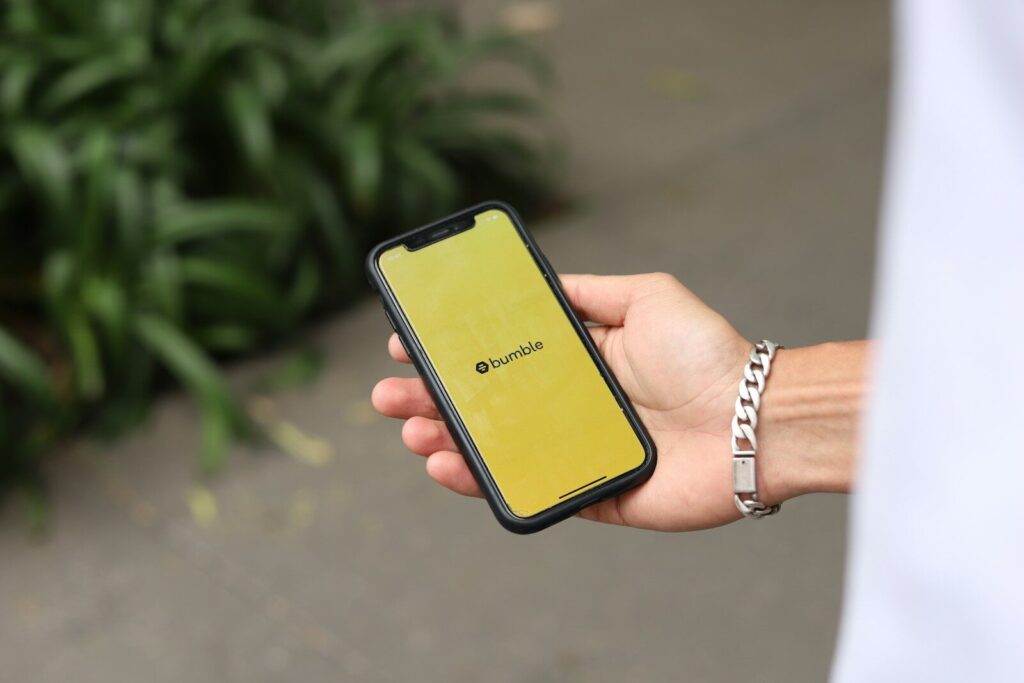
Dating apps put hundreds of potential matches in your pocket. That sounds like a good thing. In practice, it creates what psychologists call the paradox of choice: the more options available, the harder it becomes to commit to any single one.
Barry Schwartz, author of The Paradox of Choice, found that an abundance of options tends to increase anxiety and decrease satisfaction with whatever choice is eventually made. Dating is a near-perfect real-world example of this effect.
When there’s always another profile to swipe on, it’s easy to treat every person as provisional. Why invest in getting to know someone when someone “better” might be three taps away? The result is surface-level engagement, slow-fading interest, and a general reluctance to actually pick someone.
An abundance of options tends to increase anxiety and decrease satisfaction.
Barry Schwartz
The Comparison Trap
Apps also make comparison constant. You’re not just dating one person. You’re implicitly measuring them against a grid of other people you’ve matched with this week. That’s a strange and unfair lens to view a real human through, but it’s baked into how the platforms work.
Nobody wins a comparison game played on a phone screen.

Communication Has Broken Down
The Rules Nobody Agreed On
There are no shared rules for modern dating. How quickly should you reply? When does texting every day become too much? Is a week of silence ghosting, or just being busy? Who asks who out first?
Different people have wildly different answers, and there’s no longer a cultural script that everyone roughly follows. That ambiguity creates anxiety on both sides and a lot of situations where nobody actually did anything wrong, but something still went sideways.
If you’ve found yourself analysing a three-word text for hidden meaning, this is why.
Ghosting as the Default Exit
In previous generations, ending things required a conversation. That conversation was uncomfortable, but it gave both people closure. Now the most common exit strategy is simply stopping. No explanation, no goodbye. Just silence.
Ghosting has become so normalised that people barely question it. But it leaves the other person in a loop of uncertainty: were they blocked? Was there an emergency? Did they do something wrong? That uncertainty is genuinely bad for your mental health, and it makes people more guarded going into the next interaction.

The Talking Stage Problem
When “Talking” Goes Nowhere
The “talking stage” didn’t exist as a concept 15 years ago. Now it describes what can be weeks or even months of daily conversation, flirting, and emotional investment that leads to… nothing formal. No label, no commitment, no clarity.
For some people, the talking stage is a useful pressure-free way to get to know someone. For many others, it’s a way to enjoy the emotional benefits of a relationship without taking on any of the obligations.
The problem is that people rarely disclose which camp they’re in at the start.
Emotional Investment Without Security
When you spend weeks texting someone every day, you build real feelings. If that then dissolves with no explanation, it stings as much as a proper breakup, but without any of the social acknowledgement that a breakup receives. You’re not allowed to be that upset about someone you were “just talking to.”
That’s a strange psychological position to be in, and it’s become extremely common.


Social Media and the Highlight Reel Effect
Unrealistic Benchmarks
Social media has created a parallel pressure. People’s lives and relationships look extraordinary online. Romantic gestures, perfect holidays, constant couple photos. When that’s your reference point, ordinary real-life connection can feel disappointingly mundane.
It warps expectations in both directions. Some people hold out for something that looks like a highlight reel. Others feel like their own romantic life is somehow failing by comparison.
The Always-Available Problem
Smartphones mean people are reachable all the time, and that creates its own pressure. A slow reply reads as rejection. Leaving a story on read feels like a statement. Posting on Instagram within minutes of not replying to a text becomes evidence of something.
None of this is healthy, but it’s the environment most people are dating in right now.
What You Can Actually Do
Get Off Auto-Pilot
The biggest shift you can make is to stop treating dating like a numbers game. More matches does not mean better chances if you’re giving each conversation the same shallow, low-effort treatment.
Pick fewer people and actually invest in them. Ask real questions. Be specific about what you liked about their profile. Make plans rather than trading texts for six weeks.
Communicate More Directly Than Feels Comfortable
Most of the friction in modern dating comes from people not saying what they actually want. If you’re enjoying talking to someone and want to meet up, say so. If you’re not feeling it, a short honest message is kinder than fading away.
Direct communication feels awkward at first, mostly because it’s rare. But it cuts through the noise faster than anything else.
Set a Time Limit on the Talking Stage
If you’ve been in a talking stage for more than three or four weeks and there’s no sign of it moving forward, that’s useful information. Either have an honest conversation about where things are going, or redirect your energy somewhere else.
Waiting indefinitely for clarity that someone isn’t planning to give you is a way to waste a lot of time.
Stop Optimising, Start Connecting
Dating apps reward profiles, not people. At some point you have to step off the platform and just spend time with a real human. The chemistry you’re looking for cannot be assessed through a screen.
None of this means modern dating is impossible. It means it requires a slightly different approach than it used to. The basics of human connection haven’t changed. The environment around them has.
Conclusion
Modern dating is hard for real, structural reasons. Apps built on infinite options, a communication culture with no shared rules, and the emotional limbo of the talking stage have made something that should be relatively simple feel exhausting. Knowing that doesn’t fix everything, but it does mean you can stop blaming yourself for finding it difficult. The system is genuinely strange. Working around it takes intention.
Summary
- The abundance of options on dating apps creates choice paralysis and shallow investment
- No shared rules around communication mean simple things like texting frequency become sources of anxiety
- Ghosting is now the norm, which leaves people guarded and uncertain
- The talking stage creates emotional investment without any security or clarity
- Social media warps expectations in both directions
- The fixes are practical: invest in fewer people, communicate directly, and move things offline sooner
Why is modern dating so exhausting?
A lot of it comes down to ambiguity. Without shared rules for how to communicate, progress, or end things, people are constantly second-guessing themselves. Add in the volume of options from dating apps and the emotional drain of situations that go nowhere, and it’s no wonder it feels tiring.
Has dating always been this hard or is it getting worse?
Dating has always had its challenges, but the specific problems people face now, including ghosting, the talking stage, and the paradox of choice from apps, are genuinely new. The speed of technological change has outpaced the social norms that help people navigate relationships.
Do dating apps make dating harder?
For a lot of people, yes. Apps create the illusion of unlimited options, which makes it harder to commit to any one person. They also reward appearance over personality and encourage people to treat matches as disposable. That said, apps also help people meet who wouldn’t have otherwise, so the picture is mixed.
What is the talking stage and why is it a problem?
The talking stage is the period of daily messaging and getting to know each other that happens before anything becomes official. The problem is that it can stretch on indefinitely with no real commitment from either side, leading to real emotional investment that has no formal status or protection if it ends.
How do you date successfully in the modern world?
Focus on quality over quantity. Invest properly in fewer conversations rather than juggling dozens. Communicate directly about what you want instead of waiting for clarity that may never come. Move things offline sooner. And give yourself a time limit on talking stages that aren’t going anywhere.
Is ghosting really that common now?
Yes. Research from the dating app Hinge found that a significant majority of its users have been ghosted at some point. It has become the default exit for many people because it requires no difficult conversation. That normalisation doesn’t make it any less disorientating for the person on the receiving end.